
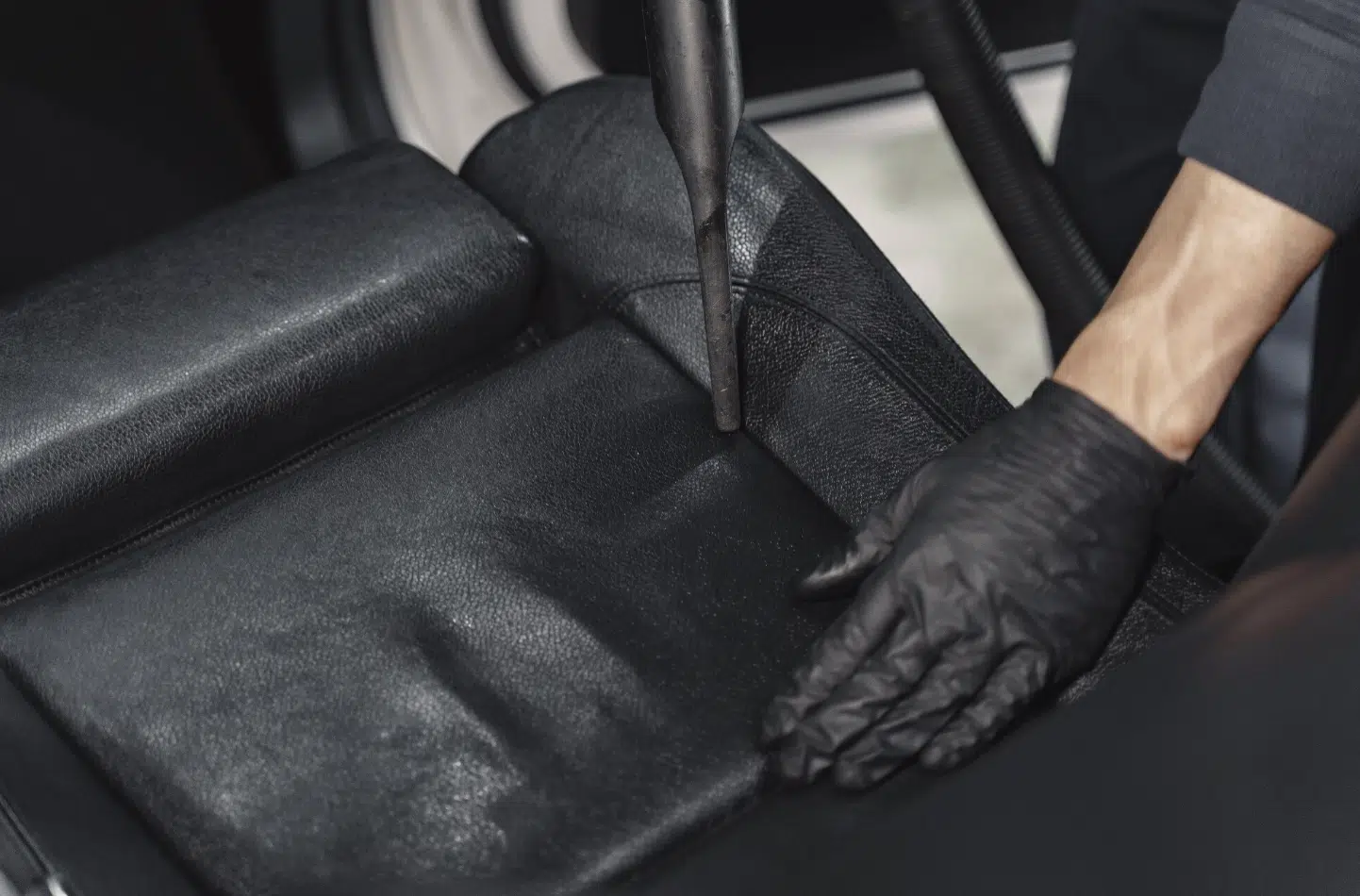

Car upholstery isn’t just about looks, it’s about comfort and the resale value of your vehicle. Over time, seat fabric or leather can wear out or become stained. If your car’s interior is looking worse for wear, you might be wondering whether you should repair the existing upholstery or replace it entirely. This article will walk you through the telltale signs of upholstery damage and help you decide when a simple fix will do or when it’s time for a full upholstery replacement.

Signs Your Car Upholstery Needs Attention
Recognizing the signs of damaged upholstery early is important. Here are some common indicators that your car’s interior may need repair or replacement:
- Visible Rips, Tears, or Cracks: The most obvious sign is physical damage to the upholstery material. Look for any rips in the fabric or leather, holes from cigarette burns, or cracks in vinyl. Frayed seams or loose stitching are also red flags that the upholstery is nearing the end of its lifespan.
- Stubborn Stains and Fading: Spilled drinks, food, or sun exposure can all leave stains, discoloration, or fading on your seats. While some spots can be cleaned or shampooed out, extensive staining or bleached-out patches of fabric are often permanent. If your seats have large, unsightly stains or a widespread color fade, new upholstery may be the only way to restore a clean look.
- Unpleasant Odors: A persistent bad smell in the car cabin can originate from the seats. Upholstery can absorb years of cigarette smoke or mildew from water leaks — and sometimes no amount of deodorizing will fully remove it. If your car interior smells musty or smoky all the time, replacing the affected upholstery is usually the most effective solution. New padding and fabric will eliminate odors deeply embedded in the old materials.
- Sagging or Flattened Seats: Over years of use, seat cushions can break down. You might notice that the driver’s seat feels sunken or you can feel the hard frame underneath. Flattened foam padding or sagging support not only makes for an uncomfortable ride (causing you to fidget or even get back pain), but it’s also a sign the seat’s structure is worn out.

If you notice one or more of these issues, it’s a clear sign your car’s upholstery needs some TLC. The next step is deciding whether you can get by with a targeted repair or if you should opt for a complete replacement of the upholstery.
When to Repair Car Upholstery
Not every upholstery problem calls for a full replacement. In many cases, repairing the damaged areas can be a practical and cost-effective solution. Here are scenarios where repairing your car upholstery makes sense:
- Minor or Localized Damage: Small rips (for example, a tear along a seam or a hole under a few inches) can often be patched or re-stitched without replacing the entire seat cover. Upholstery repair specialists can mend these with strong adhesives, new stitching, or by replacing a small section of fabric or leather. If one part of a seat (like a worn side bolster or armrest) is damaged but the rest is in good shape, a panel replacement for that area will refresh the seat without the expense of reupholstering the whole seat. These targeted fixes are relatively quick and keep most of your original upholstery intact.
- Stains That Can Be Cleaned: For upholstery that is dirty or stained but not permanently ruined, professional deep cleaning or stain removal treatments might do the trick. Auto detailers can shampoo fabrics or carefully clean leather to remove many stains. If successful, this saves you from having to replace the upholstery at all. It’s worth attempting a thorough cleaning before deciding on replacement for any cosmetic issues.
Repairing a small hole or tear costs far less than a full reupholstery job. Refurbishing worn car seats can save up to 90% of replacement costs. However, repairs have limits. If the upholstery is extensively damaged or weakened with age, patching here and there might not hold up for long. That’s when you should consider a replacement.
When to Replace Car Upholstery
There comes a point where repairs won’t be enough, and replacing the upholstery (or even the entire seat) is the smarter move. Here are scenarios where you should opt for new upholstery:
- Multiple or Large Tears: If a seat has many rips or one giant tear, a patchwork of repairs likely won’t hold up. In such cases, replacing the entire seat cover is more practical.
- Foam Breakdown and Lost Shape: If the seat padding underneath is crumbling, misshapen, or has springs poking through, simply covering it with a new fabric panel isn’t safe or comfortable. Seats with major structural wear need new foam or support installed, which usually comes as part of a reupholstery job.
- Airbag or Safety Considerations: If an airbag-equipped seat bolster is torn, have the upholstery replaced to ensure the airbag will work properly. Likewise, if damage makes a seat unsafe, replace the entire seat. Safety always trumps cost concerns.
Replacing upholstery is a more involved and costly process than patching, but it essentially gives you a “like-new” interior. If your goal is a long-term fix and a flawless appearance, replacement is the way to go.
Factor | Repair Option | Replacement Option |
Damage Severity | Best for minor damage (small tears, light wear, isolated issues) that can be fixed without extensive work. | Recommended for major damage (large or multiple tears, severe wear, structural issues) that repairs can’t adequately address. |
Cost | Typically much lower cost — often just a fraction of the price of a full replacement. | Higher cost — involves new materials and more labor. |
Appearance Outcome | Improves looks by fixing trouble spots, but repairs might still be noticeable and not look factory-new. | Restores a like-new interior appearance — new upholstery can match the original factory look or better. |
Longevity | Repairs can extend the life of current upholstery but are usually a medium-term fix (old material may tear again). | New upholstery provides a long-term solution — essentially resetting the wear-and-tear clock on your seats. |
Making the Right Choice
Deciding between repairing or replacing your car’s upholstery comes down to the extent of the damage, your budget, and your goals for the vehicle. If you only have a couple of small issues, repair is often the prudent choice. However, if your interior is truly worn-out or you want a fresh start, replacing the upholstery will give you the best result in terms of comfort and appearance. Remember, nobody wants to ride in a car with a tattered, smelly interior. Ultimately, addressing upholstery problems promptly will make your drive more enjoyable and can help preserve your car’s value. By recognizing the signs and choosing repair or replacement as needed, you’ll keep your car’s interior comfortable and inviting longer.